仕事の合間に、ほんの3キロ走る。9月の走行距離は晦日を残して111キロだ。ほんとうは200キロ走りたかったのだが、さすがに明日90キロ走るわけにもいかない。諦めた。忙しい1ヶ月だった。
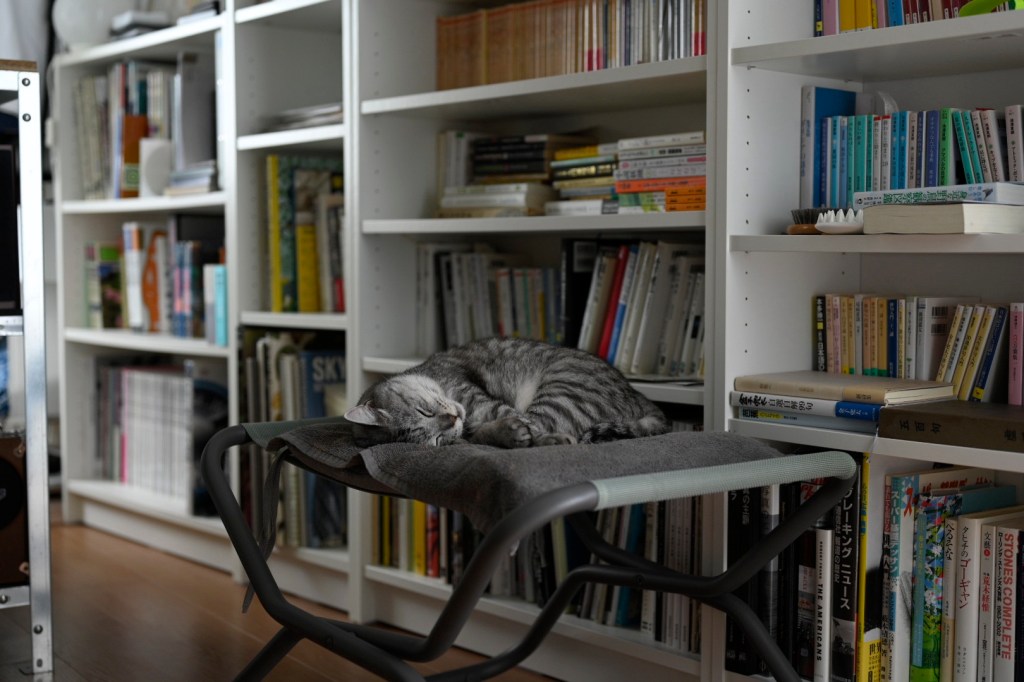
猫はペットカメラにもよく映る部屋の真ん中のオットマンで日中を過ごした。ご飯もよく食べ、そのたびにトイレに行った。やれやれ、昨日までとは大違いだ。
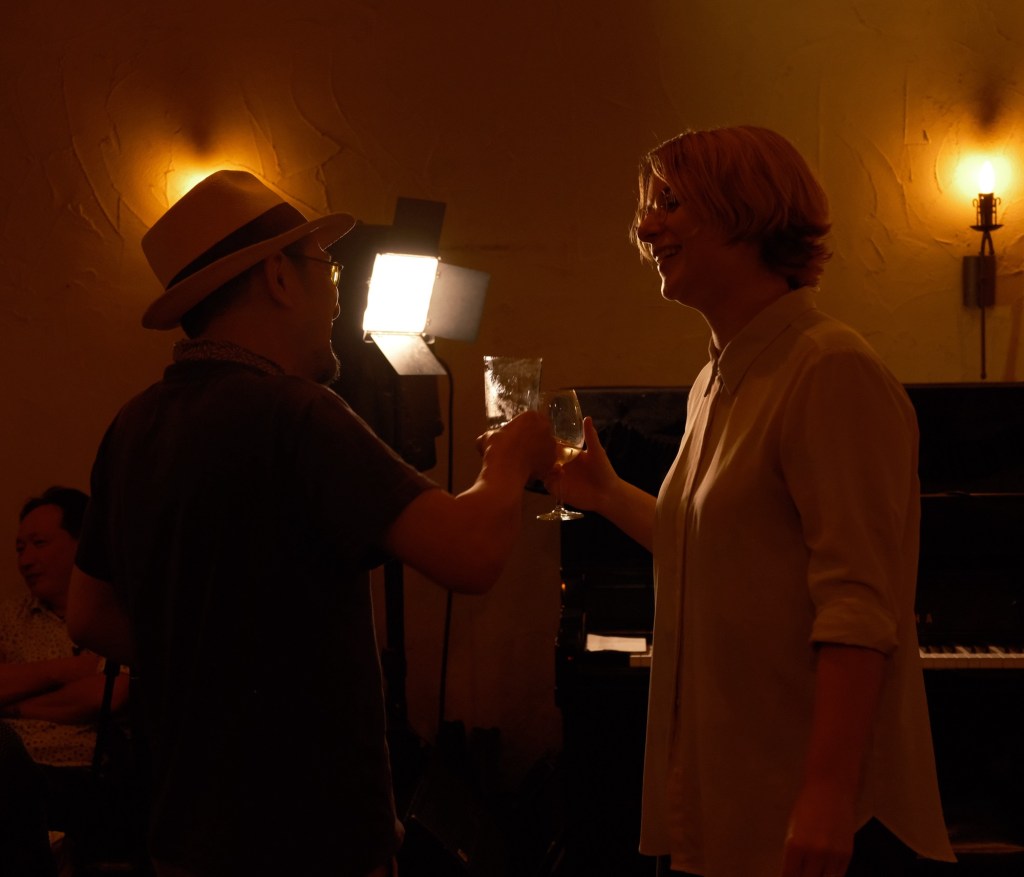
夜は自由が丘のHyphen(ハイフン)でサミ・スティーブンスのライブを観た。
つい先週、ノラ・ジョーンズ・バンドの一員として武道館の大きなステージで演奏していたサミを、20人も入ればいっぱいになるようなバーで観られるとは至福である。
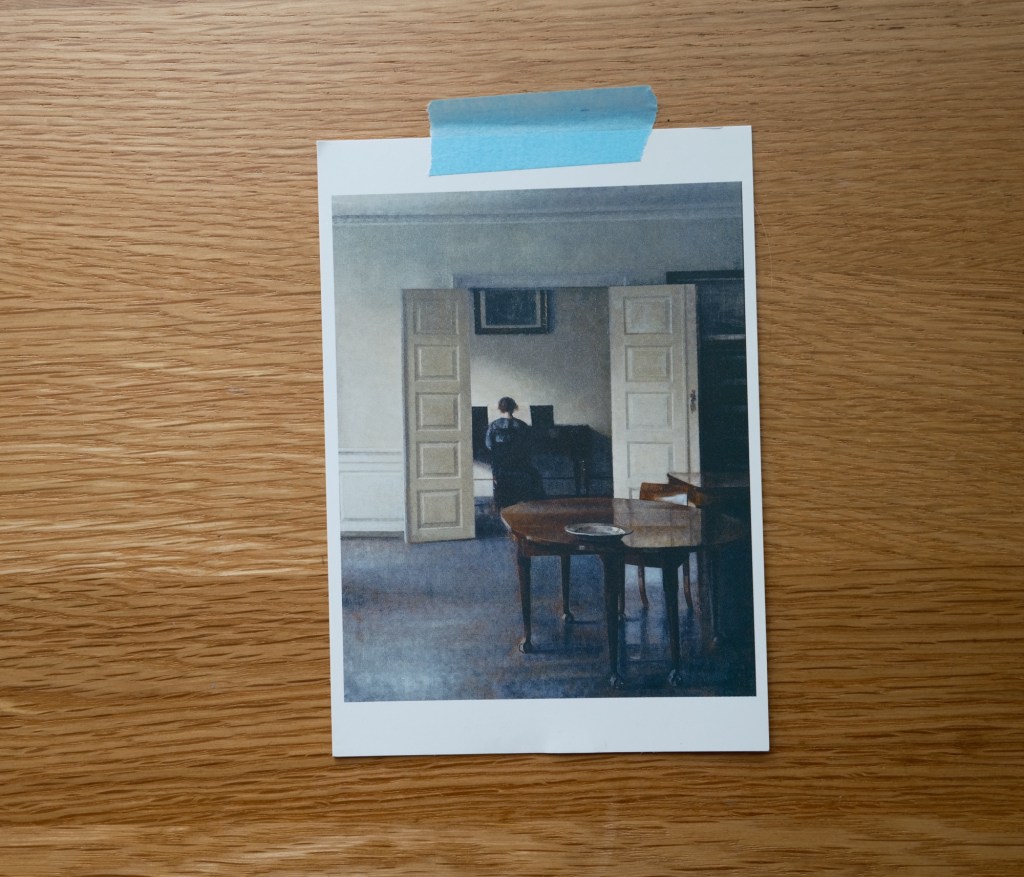
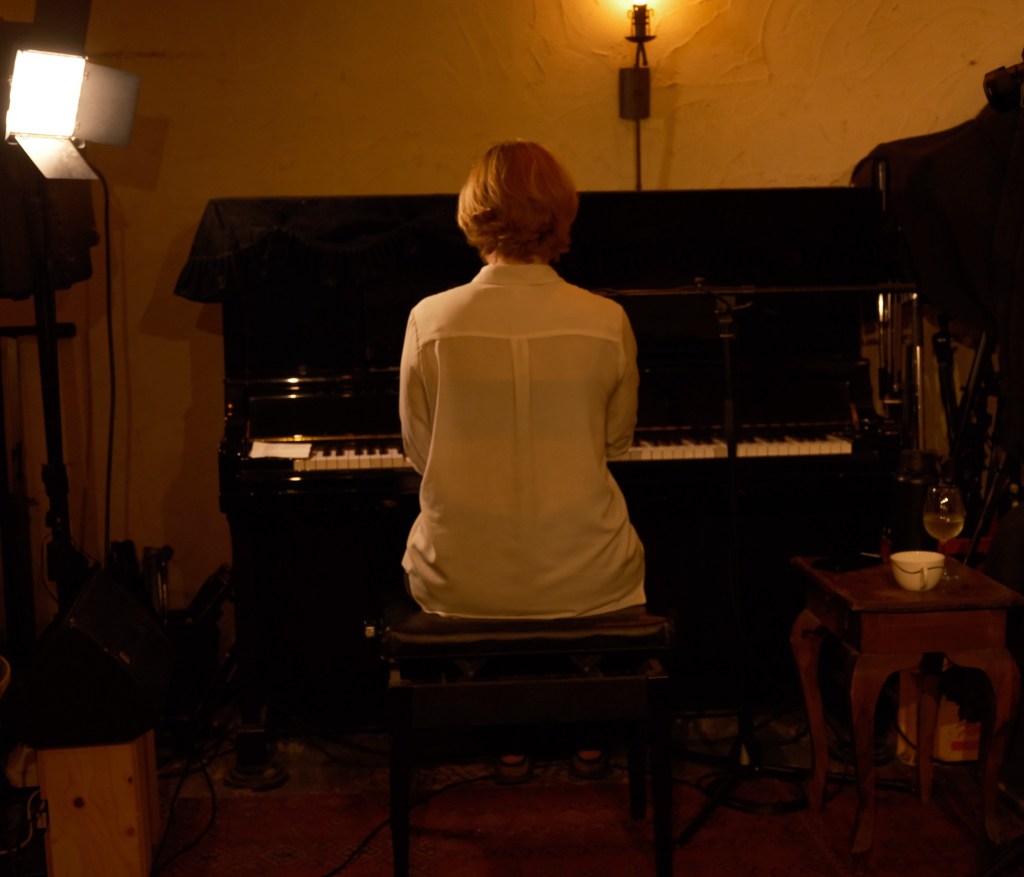
下手の壁に向かって置かれたアップライト・ピアノを真後ろから見るカウンターの席をあえて選んだ。店の人は「そこだとサミの顔が見られないですよ」と慮ってくださったが、映像的な勘をつい働かせてしまうところがぼくにも一応はあるらしく、迷いはなかった。ピアノを弾くサミの背中を見たかった。念頭にヴィルヘルム・ハンマースホイの『ピアノを弾く妻イーダのいる室内』の絵が浮かんだのだった。
旅行者ともこの街に暮らす人とも見えるカジュアルな服装のサミが小さいリュックひとつを背負ってふらっと店に入ってくる。とても自然でかっこいい。サミはぼくの席の脇からカウンターに向かってホット・ウォーターを頼んだ。近すぎる。挙動不審のぼくの肩を、サミが撫でてくれた。いったいおれは、いい歳をしてなにをしてるんだ、と真剣に反省した。つまり、緊張しすぎることは、相手にも失礼なことだ、と。
隣に座った店の常連らしいYさんは「サミと写真撮ってあげるよ、撮ったほうがいいよ」と、しきりとぼくに促す。それに対してぼくは「いや、いいんです。見ているだけで満足ですから」と遠慮したのだが、何度かの問答を経て、結局は押し切られ、ぼくのフジのカメラをYさんが構え、ぼくはサミと写った。写真は、ボケボケだったし、Yさんは撮影しながら、モニターに映る画像の赤みを気にされた。なぜならカメラはいつもマニュアル・フォーカスに設定してあるし、ホワイト・バランスは太陽光に固定してあるからそうなる。手早く済ませるべき記念撮影の最中も、そのことで応酬があり、ぼくはさらに焦る。このカメラを、初めて触る人がすぐに扱えるとはもちろん思っていなかったが、混乱の中では為すすべがなかった。もちろんスマホで撮るべきだつたのだけど、スマホは電源を切ってバッグにしまっていたし、そのことで慌てふためくぼくに、Yさんは溜め息さえもらしたのだ。溜め息やめてよ、余計に慌てるじゃん、とか思っても仕方がない。ぼくが毅然とした態度を取らないからいけないし、ナーバスになっているぼくに、多少豪快な手段とはいえ、Yさんは終始気を使ってくださったのだ。非難したい気持ちはまったくない。感謝である。
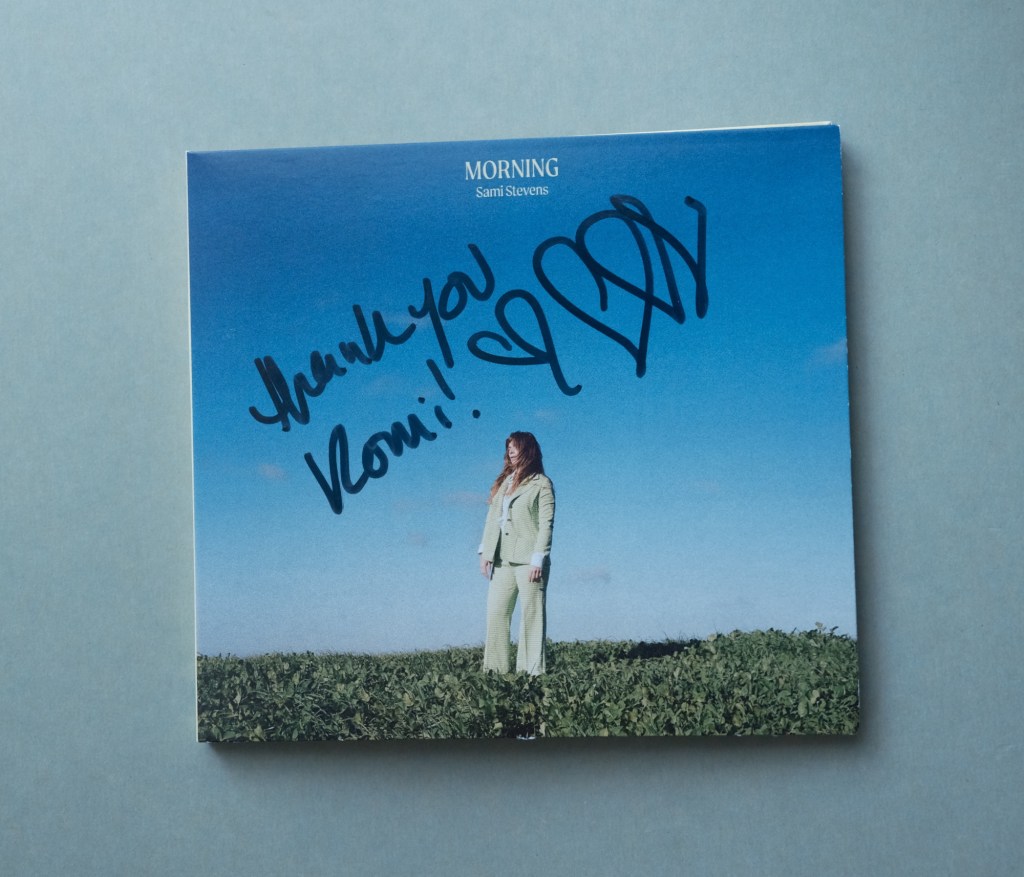
こんなこともあった。サミが持参した販売用のCDは、見たところ観客全員が買える数ではなさそうだった。ぼくはとうぜん諦めて、もし、万が一、あとで余っていたら買って帰ろう。余っていたら、友達の分も買ったってよい。サミの帰りの荷物が減るわけだから。と、決めていたのだが、ライブの幕間にYさんが「買うでしょ?」と言って、ぼくの分のCDを店の入り口の方からわざわざ確保し、差し出してくださったのだった。ここまでくると当然というか「サインも貰おうよ」という運びになり、Yさんは店の人からサインペンを調達した。願いは自分の力で叶えるのだ。お見事である。
「だめだよ、カメラマンならもっと積極的に行かないと」と言うYさんの口ぶりには、はっきりともどかしさが感じられた。Yさんは、写真に関係のある日本の有名なグルーバル企業の幹部なのである。80年代・90年代の伝説的な広告カメラマンたちと若い頃からずっと仕事上の付き合いがあったそうで、そのころの現場の話も聞かせてくださった。
ぼくは学校や会社で上手くやっていけず、落ちこぼれてこうなった身だから、おそらくは社会のあらゆる競争において高い勝率を残して来たであろうYさんとの考え方のあまりの違いに、深く考え込んでしまった。
こんなに長く書いて、ここまでスクロールする人はいるはずがない。だが今夜は書くことが多い。いろんなことがあった。
サミの音楽は、すこしづつ時間をかけてもっと好きになっていくだろうと思う。好きだ。アンコールはキャロル・キングの「You’ve Got a Friend」。客席が主旋律の大合唱になり、サミがコーラスに回った。このときの一体感は素晴らしかった。感動した。
終演後、心の動きは収まりそうにもなく、持参したゴーゴリの短編「鼻」を読みながら飲み物を楽しんだ。紅茶の美味い店だった。
ひと息つくと、いつの間にか隣に座っていたMくんという若者が話しかけてくれた。「『鼻』の入った本をこのあいだ買って、まだ読めていないんです」と言う。それで一気に打ち解けて、そのあとはずいぶん話し込んだ。いま何を読んでいるかと訊いたら、片岡義男の『ドライ・マティーニが口をきく』と言ったかな。「ぼくの弟子は片岡義男が書いたものならとにかくなんでもいい、という奴なんだよ。3人で話したら楽しいだろうなあ」──Mくんとは連絡先を交換した。これからも会えることがあるだろう。
そんな自由が丘の夜であった。つい中央線を基準にして考えてしまうのだが、あちらと比べると、ここは東京だなあ、東京のこと知らなかったなあ、と、サミのCDを聴きながらぼんやりと思いに耽り、帰路を運転した。昨日まで過ごした富士スピードウェイと、ここ自由が丘とで、極端に揺さぶられた、という感じだ。
I squeezed in a quick 3-kilometer run between work tasks. With just one day left in the month, my total distance for September stands at 111 kilometers. I had hoped to reach 200, but it’s not like I can suddenly run 90 kilometers tomorrow. I’ve given up on that goal. It’s been a busy month.
Today, the cat spent the day on the ottoman in the middle of the room—well within view of the pet camera. He ate well and visited the litter box after every meal. What a relief. It was a complete turnaround from yesterday.
That night, I went to see Sami Stevens perform live at Hyphen in Jiyugaoka.
Just last week, she had been on the grand stage at Budokan as part of Norah Jones’s band, and now here she was, playing in an intimate bar that barely holds twenty people. It was bliss.
I deliberately chose a seat at the counter, facing the upright piano that had been set against the wall to stage left.
One of the staff members kindly warned me, “You won’t be able to see Sami’s face from there,” but I couldn’t help falling back on my instincts as an image-maker—what I wanted was to watch her back while she played.
What came to mind was Vilhelm Hammershøi’s Interior with Ida Playing the Piano.
Sami walked into the bar with nothing but a small backpack, dressed casually in a way that made her look equally like a traveler or a local. It was effortless—and very cool.
She stood just beside me at the counter and asked for hot water.
Too close.
When she lightly touched my shoulder—me, frozen and visibly awkward—I found myself reflecting, with real embarrassment: “What on earth am I doing at this age?”
I realized that being too nervous can actually be disrespectful to the person you admire.
A regular named Y-san, sitting beside me, offered, “Want a picture with her? I’ll take it for you—you really should.”
I hesitated, saying, “No, just watching is enough for me.” But after a few rounds of back-and-forth, he insisted, picked up my Fujifilm camera, and took the shot.
The photo was hopelessly blurry. He also pointed out how red the image looked on the screen.
Of course it did—my camera is always set to manual focus and fixed daylight white balance.
Even in that short, should’ve-been-easy moment, we had a whole debate about it, and I just panicked.
I hadn’t expected someone unfamiliar with my camera to be able to use it on the spot, but in the confusion, I had no backup.
My phone was off and tucked away in my bag, and when I fumbled around, clearly flustered, Y-san even let out a sigh.
Well, fair enough. That only made me more flustered.
But none of this was Y-san’s fault—he was looking out for me the whole time, even if his methods were a little intense.
He meant well, and I’m genuinely grateful.
Then something else happened.
Sami had brought CDs to sell, but clearly not enough for the whole audience.
I decided not to line up for one—if there happened to be any left at the end, maybe I’d buy one, maybe even pick up extras for friends.
I figured that’d lighten her load for the trip home.
But before I could act, Y-san had already walked to the front, grabbed a copy for me, and handed it over with a smile: “You want this, right?”
Naturally, this led to, “Let’s get it signed too,” and he fetched a Sharpie from the staff.
He was relentless—and effective.
Sami wrote “Komi” on the CD.
“You’ve got to be more assertive if you’re a photographer,” Y-san said.
There was real frustration in his voice.
As it happens, he’s a senior figure at a major global company in Japan’s imaging industry.
He worked with many legendary advertising photographers throughout the ’80s and ’90s, and shared some stories from those wild days on set.
Having dropped out of the usual school and company paths, I’m someone who’s always felt like an outsider.
Talking with someone like Y-san—who I imagine has won most of life’s competitions—left me with a lot to think about.
No one will scroll down this far, I know.
But tonight, there’s just so much I want to write. So much happened.
Sami’s music is something I think I’ll grow to love even more over time.
I already do.
The encore was Carole King’s “You’ve Got a Friend.”
The audience took over the lead vocal in full chorus, while Sami sang harmony.
That shared moment of unity was wonderful.
I was deeply moved.
After the show, still feeling overwhelmed, I ordered a drink and started reading Gogol’s The Nose—a short story I’d brought along.
It was a lovely tea bar.
Eventually, a young man named M, who’d ended up in the seat next to me, started chatting.
He said, “I actually just bought the book that has The Nose in it, but haven’t read it yet.”
That broke the ice, and we talked for a long while.
I asked what he was currently reading—he said it was Dry Martini Speaks by Yoshio Kataoka.
“My assistant,” I said, “is the kind of guy who thinks anything Kataoka writes is brilliant. The three of us would have a great conversation.”
We exchanged contacts. I think we’ll meet again someday.
Such was my night in Jiyugaoka.
I can’t help but think in terms of the Chūō Line, but compared to that side of the city, this place really is Tokyo.
I realized I hardly knew Tokyo at all.
As I drove home, listening to Sami’s CD, I felt like I’d been thoroughly shaken—between Fuji Speedway and Jiyugaoka, my weekend had spanned extremes.
 Konome-ame