仕事のあと、まだ明るいうちに里山に入った。今日は走らず、歩いた。
樹々の高いところからホトトギスの囀りが聞こえる。鳴き声は「テッペンカケタカ」や「特許許可局」と聞こえるとされ馴染み深い。よく響き渡る高い声だが、トーンに丸みがあって美しい。
ぼくにとってはこれが初音だった。初夏に南から渡ってきたホトトギスの初音が、農家にとっては田植えの合図だとも言われる。そういえばさっき、稲田の一角に稲の苗が並べられているのを見たのだった。
茂みのなかではウグイスも盛んに鳴いている。こちらは「ホーホケキョ」。ホトトギスはウグイスの巣に托卵し、子育てまでさせる。この森にはウグイスが多いから依託先には困らなそう。
この夏のあいだに、この森でウグイスの巣を見つけて観察してみたいものだ。
After work, while it was still light out, I headed into the satoyama.
I didn’t run today—I walked.
From high in the trees came the call of a lesser cuckoo. Its song is often said to sound like “teppen-kaketaka” or even “tokkyo-kyokka-kyoku”—a familiar sound in Japan.
Its voice is high and far-reaching, yet mellow and beautiful.
It was the first time I’d heard the bird this season. The first call of the lesser cuckoo, which arrives from the south in early summer, is said to signal the start of rice planting for farmers. In fact, I had just seen trays of rice seedlings lined up in one corner of a field.
In the undergrowth, bush warblers were singing as well—the familiar “hoo-hokekyo.” The cuckoo lays its eggs in the warblers’ nests and leaves them to raise the chicks. There seem to be plenty of warblers in this forest, so the cuckoo should have no trouble finding a host.
This summer, I’d like to try spotting a warbler’s nest here.
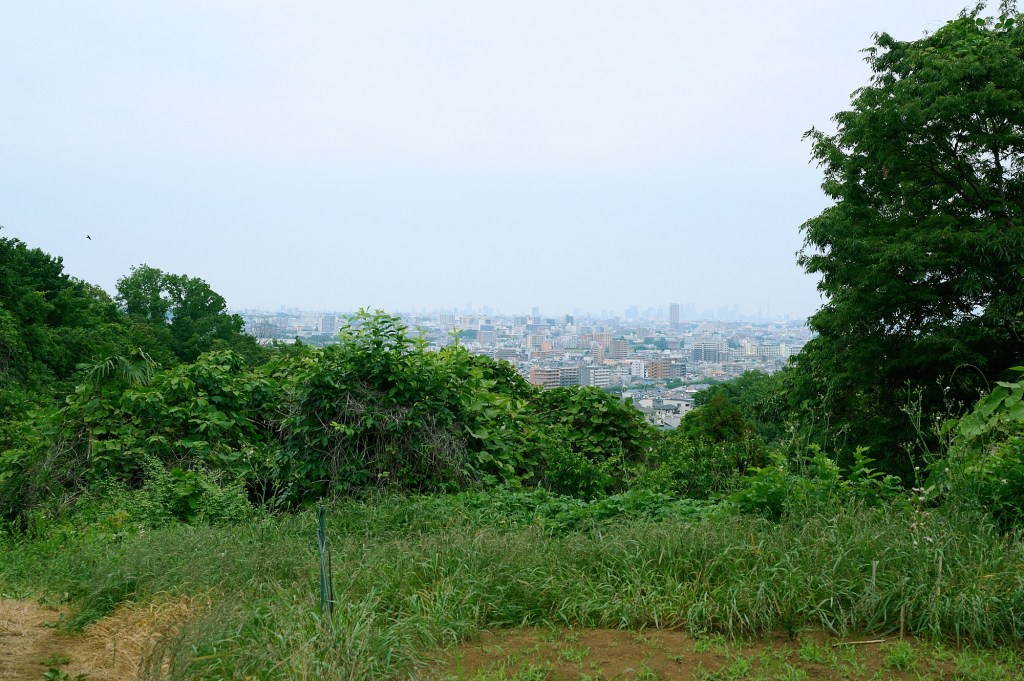
Through a break in the trees, I could see the city—Shinjuku slightly to the right of the frame.
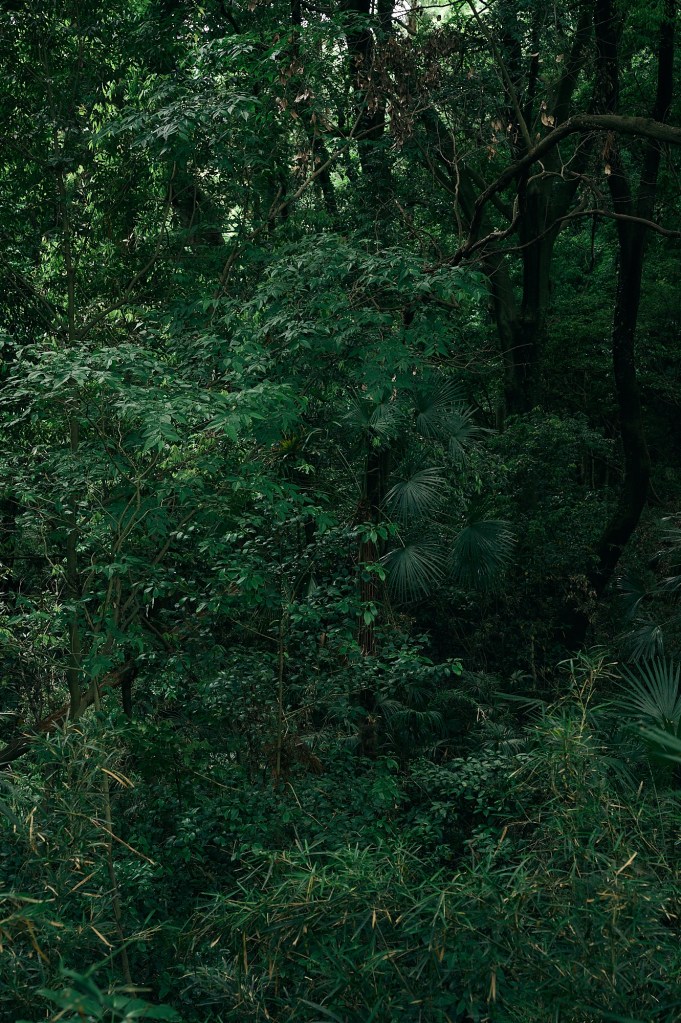
 Konome-ame